Medical Conditions
Skin Cancer Surgery
Skin Biopsy
Sclerotherapy
Sclerotherapy is a procedure used to treat spider veins, occasionally varicose veins, and venous malformations. Sclerotherapy is a non-invasive procedure taking only about 10 minutes to perform. The downtime is minimal, in comparison to an invasive varicose vein surgery. Sclerotherapy is the “gold standard” and is preferred over laser for eliminating large spider veins (telangiectasiae) and smaller varicose leg veins. Unlike a laser, the sclerosing solution additionally closes the "feeder veins" under the skin that are causing the spider veins to form, thereby making a recurrence of the spider veins in the treated area less likely.
Eczema (Atopic Dermatitis)
Eczema (atopic dermatitis) is thought to affect nearly 20% of children, even the youngest babies at times, and frequently develops during the first year of life. However, adults can develop eczema at any time as well. Eczema is characterized by dry, scaly patches on the skin which can bubble up and then ooze and weep fluid. The condition is generally very itchy, and sometimes the itch is so intense that it is impossible to sleep. Because eczema can be long lasting, it is important to learn how to take care of the skin. An individualized treatment and skin care plan can alleviate much of the discomfort and prevent flare.
Psoriasis
Psoriasis is a chronic skin condition affecting about 6 million people in the United States. Small or large, round or oval, red patches with thick white scales characterize it. These are sometimes itchy, occasionally hurt or bleed, or can be asymptomatic, except for the annoyance of shedding flakes of skin. The most common locations are elbows, knees and scalp, but it may occur on any part of the body. 5% of people with psoriasis also have arthritis. The onset of psoriasis can occur at any age including childhood and old age, although it most commonly appears in the teens and twenties. Sunlight tends to make it better, whereas alcohol ingestion, lack of sunlight and stress tend to exacerbate it. We offer many treatment and therapy options, and will determine which one is best to help treat your condition.
Acne Treatments
Acne afflicts adults as well as teens and results when the sebaceous glands, tiny glands beneath the skin surface, become clogged with sebum, an oily substance whose normal collection and excretion keeps the skin healthy. If clogged, bacteria can grow in the glands causing swelling and pimpling on the skin's surface. This can occur anywhere on the epidermis where there are hair follicles below the surface including the face, back, and neck. We will determine a treatment plan to best address your skin’s needs.
Rosacea
Rosacea is a chronic skin condition characterized by redness, pimples, and, in advanced stages, thickened skin. Rosacea usually occurs on the face, and appears like flushing on the nose, cheeks, forehead and chin. Adult women are afflicted more often than men by rosacea and its onset might be accompanied by a burning sensation. Rosacea may also make the skin more sensitive to lotions or make-up, so ask your physician for recommendations of products that will not aggravate your condition. There are several ways to approach the containment of rosacea. Schedule an appointment with our Dermatologist or Physician Assistant to design a plan that works for you.
Wart & Mole Removal
Warts are common growths that are caused by the Human Papilloma Virus. This virus is present in the growths as well as on many surfaces touched by our hands and feet. Frequent touching and picking of warts may cause them to spread. Depending on the type of warts, their location and other patient factors, we will work to find the best treatments to clear the warts quickly and with minimal discomfort
.
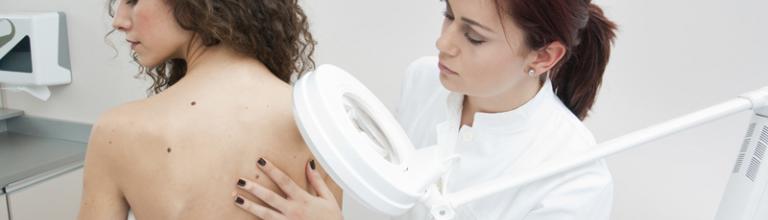
Moles and other birthmarks are benign pigmented spots or patches of skin that range in color from tan, brown and black (moles) to red, pink or purple (vascular lesions, such as strawberry hemangiomas or port wine stains). Though most birthmarks are harmless, they may develop into cancer. Moles exhibiting specific warning signs should be examined by a professional immediately. Depending on their depth, location and color, as well as the patient’s skin type, age and other factors, treatment for benign but unattractive birthmarks may take the form of laser or pulsed light therapy, microdermabrasion or surgical excision.
Rashes
A rash is a noticeable change in the texture or color of the skin. The skin may become itchy, bumpy, chapped, scaly, or otherwise irritated. Rashes are caused by a wide range of conditions, including allergies, medication, cosmetics, and various diseases. We will determine a treatment plan to best address your skin’s needs.
Hair Loss
Many people think that hair loss only affects the scalp, but hair loss can occur anywhere on the body. It can be the result of hereditary conditions, certain types of medications or an underlying medical problem. Men and women of any age, even children, can experience hair loss, which can be caused by a variety of medical conditions such as thyroid problems, alopecia areata, scalp infections, hormonal factors, and as a part of other skin disorders. While daily shedding of hair is normal, if you start to notice that your hair is shedding in large amounts after combing or brushing, or if your hair becomes thinner or bald patches develop, you should consult your dermatologist for proper diagnosis and treatment.